



A 12V voltmeter and a battery monitor do not answer the same question. A voltmeter shows system voltage at the moment it is read. A battery monitor normally adds ongoing current and battery-use information, often through a dedicated shunt. A voltage display can be enough for a quick dashboard or cabin reference; a battery monitor is the better tool when the project needs to track energy use over time.
This distinction matters in a car, truck, RV, or boat. A digital display can reveal that system voltage is different from its usual condition, but it cannot identify the cause or calculate the battery capacity that remains.
Start With the Question the Display Must Answer
Choose a voltmeter when the main need is a quick reference at the charging point, control panel, or battery-disconnect location. It can help show whether the system is being charged, whether a load is affecting the reading, or whether the reading appears different from the normal condition for that installation.
Choose a dedicated battery monitor when the decision depends on current flowing into or out of the battery, accumulated energy use, or a more complete state-of-charge estimate. This is more relevant for an RV or boat that runs accessories away from shore power, or for a build with a battery bank that supports several loads for extended periods.
Neither choice is automatically better. The right choice follows the information needed during normal use.

What a 12V Voltmeter Can Show
A voltage display provides a fast, visible reference without opening a compartment or using a handheld meter. When placed near a USB charger or a switch panel, it can make routine checks part of normal vehicle use.
The reading must be interpreted in context. A battery at rest, a battery receiving charge, and a battery under accessory load can show different voltage conditions. Battery type, temperature, wiring, charging source, and the condition of the connected equipment also affect the result. One universal voltage number cannot reliably describe battery condition across every automotive, RV, or marine installation.
A useful role for a voltmeter is therefore comparison: note what the installed system normally shows in known conditions, then investigate when a later reading is unexpectedly different. The display is a prompt for closer inspection, not a complete diagnosis.
What a Voltmeter Cannot Show
A voltmeter does not measure the current entering or leaving the battery. It does not record how much energy has been used during a trip, confirm remaining battery capacity, or establish battery health from a single reading. It also cannot show whether a low or high reading comes from the battery itself, the charging source, a connection issue, or an active load elsewhere in the system.
For that reason, a voltage display should not be described as a battery monitor. A complete monitoring system needs its own verified components and instructions. If the project depends on accurate energy-use tracking or a calculated state of charge, select a dedicated monitor designed for that purpose and follow its installation documentation.

Choose a Voltmeter Format That Fits the Installation
Start with whether the installation needs only a readable voltage reference or a broader power-and-control panel. A standalone panel-mount voltmeter such as the DAIER DS4010W suits a dedicated display position where battery or system voltage is the only information required.
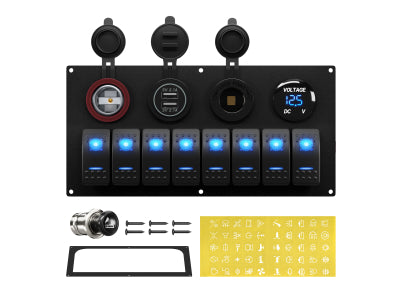
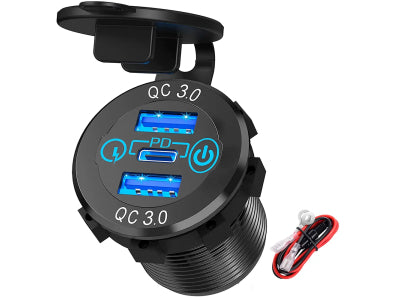
Where several functions are needed in one cutout, the 12–24V 4-in-1 USB charger panel with voltmeter and 12V socket combines a voltage display, USB charging, a 12V socket, and a control switch. The Power Adapters & Chargers collection includes other charging and display formats for different panel layouts.
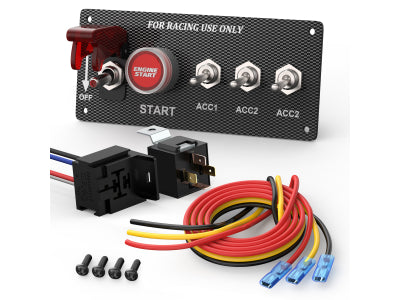
For a control-panel rebuild, the 5-gang round rocker switch panel with USB-C PD and voltmeter or the 5-gang marine switch panel with USB-C PD voltmeter and 12V socket can place switching, charging, and voltage reference functions together. This approach works only when the panel layout, accessory control requirements, and available installation space suit the complete build.
None of these formats replaces a dedicated battery monitor when ongoing current, consumption, or state-of-charge information is required.

Keep Monitoring, Protection, and Distribution Separate
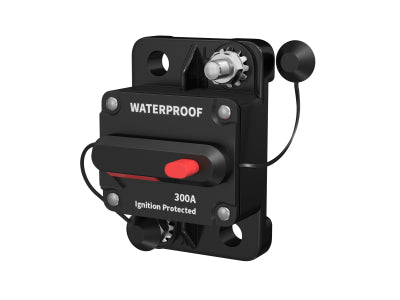
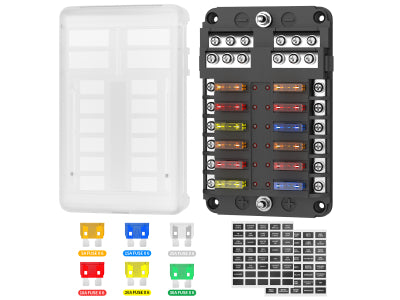
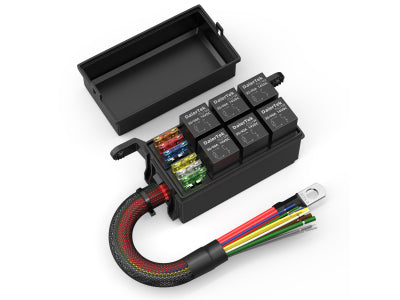
A display does not replace circuit protection, branch distribution, or a properly selected battery disconnect. A voltage reading can be useful while reviewing the system, but it does not establish whether each accessory circuit is protected or whether the return path is organized correctly.
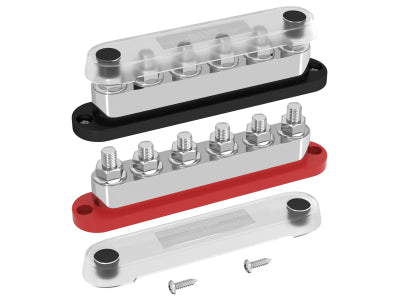
For a larger accessory installation, plan the charging point, switch panel, protection, and distribution as related but separate decisions. The guide to choosing a 12V busbar explains the role of distribution in that wider system.
FAQ: Choosing a Voltmeter or Battery Monitor
Can a 12V voltmeter estimate battery condition?
It can provide a useful voltage reference, especially when compared with the same system in known conditions. It cannot by itself calculate remaining capacity, energy used, or battery health.
Does a USB charger voltmeter replace a battery monitor?
No. A charger voltmeter is useful for checking system voltage at that location. A battery monitor serves a broader monitoring role when the project needs current and longer-term battery-use information.
Where should a voltage display be installed?
Choose a location that is visible during normal use and appropriate for the selected product: a dash, console, cabin panel, switch panel, or battery-disconnect area. Final mounting, protection, wiring, and environmental suitability must follow the specific product documentation and installation.
Related DAIER Products
- Dedicated voltage reference: DS4010W standalone digital voltmeter — for a dedicated, at-a-glance voltage reference.
- Integrated accessory panel: 12–24V 4-in-1 USB Charger Panel with Voltmeter and 12V Socket — for charging, voltage reference, and 12V power in one panel.
- Control-panel upgrade: 5-Gang Round Rocker Switch Panel with USB-C PD and Voltmeter — for a combined switch, charging, and display layout.
- Marine or RV panel format: 5-Gang Marine Switch Panel with USB-C PD Voltmeter and 12V Socket — for a five-switch panel with a dedicated display and charging modules.


