

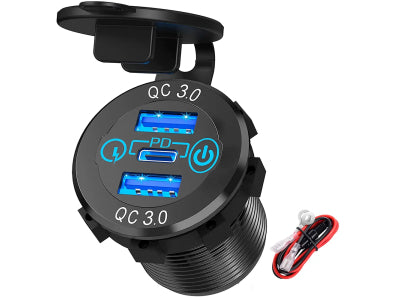

When you start adding electrical accessories to your boat, RV, truck, or Jeep, things can get cluttered fast. Between LED light bars, USB chargers, bilge pumps, 12V fridges, and extra interior lights, your dashboard can quickly end up looking like a messy web of loose wires and mismatched switches.
Installing a 12V rocker switch panel is one of the easiest ways to clean up your setup. It puts all your controls in one central spot, keeps your wiring organized, and gives your dashboard a clean, custom look.
But with so many options available, how do you choose the right one for your build?
-
Should you go with a 4 gang, 6 gang, 8 gang, or 12 gang panel?
-
Do you need built-in fuses, or should you run an external fuse block?
-
What features actually matter for marine or off-road use?
In this guide, we’ll walk through everything you need to know to choose the best rocker switch panel for your project.
What Is a Rocker Switch Panel?
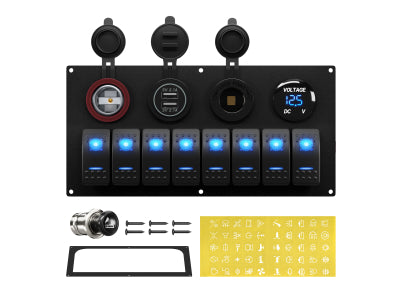
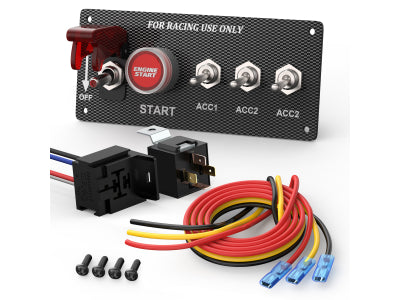
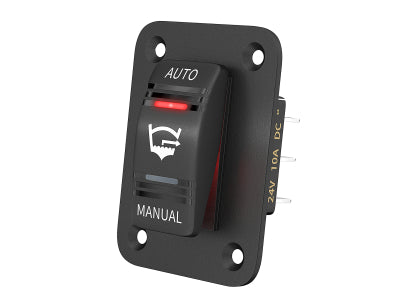
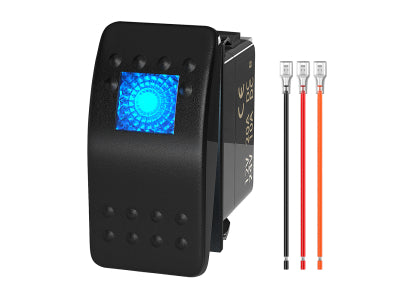
A rocker switch panel is a centralized control plate that lets you turn multiple 12V accessories on and off from one clean dashboard location.
Instead of drilling separate holes all over your dash for individual switches, a single switch panel holds multiple switches inside one frame. This makes wiring cleaner, troubleshooting easier, and daily use much more convenient.
[ Battery ] ---> [ Master Switch ] ---> [ Fuse Block ] ---> [ Switch Panel ] ---> [ Accessories ]
Depending on what you drive or sail, a switch panel helps control common gear like:
-
Boats: Navigation lights, bilge pumps, livewells, cabin lights, and fish finders.
-
Off-Road Vehicles & Trucks: Front LED light bars, rock lights, rear chase lights, winches, and air compressors.
-
RVs & Camper Vans: Water pumps, puck lighting, ventilation fans, USB charging ports, and 12V refrigerators.
How Many Switches Do You Need? (Gang Count Guide)

In 12V setups, "gang" simply refers to the number of switches on the panel. For example, a 4-gang panel has four switches.
Choosing the right size comes down to what gear you have today—and what you plan to add tomorrow.
4 Gang Rocker Switch Panel
Best for: Small fishing boats, simple overland setups, daily drivers, and compact dashes.
Common accessories to run:
-
Main LED light bar
-
Interior dome lights
-
Dual USB charger module
-
Small water pump or auxiliary light
A 4 gang panel is great if you only have a few accessories and want a low-profile installation that doesn't take up much dash space.
6 Gang Rocker Switch Panel
Best for: The average DIY build, including Jeeps, mid-size trucks, small RVs, and center-console boats.
A 6 gang panel is the most popular choice for DIYers. It gives you enough switches for all your primary gear while leaving one or two spare switches open for future upgrades.
8 Gang Rocker Switch Panel
Best for: Dedicated off-road rigs, adventure vans, and mid-size boats.
If you run multiple lighting zones (front light bar, side ditch lights, rear work lights, rock lights) along with onboard air or a fridge, an 8 gang panel gives you the extra capacity you need without running out of space.
12 Gang Rocker Switch Panel
Best for: Full camper van builds, large RVs, custom overland rigs, and larger boat cabins.
A 12 gang panel is ideal when you need complete control over a complex 12V system. It allows you to wire cabin lights, accent lights, water pumps, fans, and electronics into one master control area.
Built-In Fuse vs. External Fuse Box: Which Is Better?

Every 12V accessory needs circuit protection to prevent damaged wiring or electrical fires. When choosing a switch panel, you have two main setups to consider:
Switch Panel with Built-In Fuses or Breakers
Some panels feature built-in inline fuses or push-button circuit breakers directly on the faceplate.
-
Pros: Simpler installation, fewer extra parts to buy, great for tight spaces.
-
Cons: Harder to expand later if you add heavy-draw accessories that need relays.
-
Best for: Simple retrofits, small boats, and basic accessory setups.
Switch Panel with an External Fuse Box
Other panels connect directly to an external 12V fuse block mounted near your battery or auxiliary power hub.
-
Pros: Cleaner wiring behind the dash, easier fuse replacement, better for high-amp accessories.
-
Cons: Requires a bit more wiring work during the initial setup.
-
Best for: RVs, off-road builds, and systems with multiple high-draw accessories like light bars or water pumps.
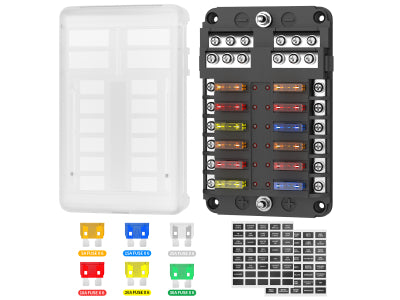
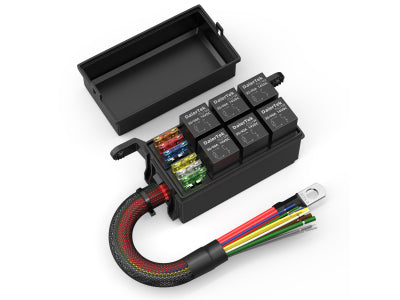
DIY Tip: For larger builds, running your switch panel through a dedicated Fuse Block makes adding high-power accessories much safer and easier to maintain.
What Makes a Good Marine Rocker Switch Panel?

Marine environments are tough on electronics. Constant moisture, salt air, humidity, and direct sunlight will quickly corrode standard automotive switches.
When picking a marine rocker switch panel, look for these practical features:
-
Weather Resistance: Look for switches with rubber splash caps, sealed faceplates, and corrosion-resistant backings to protect against spray and rain.
-
Backlit LED Indicators: Night navigation requires clear visibility. LED indicators let you check switch status at a glance without blinding your vision in the dark.
-
Pre-Wired Harnesses: Panels that come pre-wired with back-panel jumpers save you hours of crimping during installation.
Rocker Switch Panel for RV and Camper Use
In a camper van or RV, convenience and power management are top priorities. You want quick access to your lights and accessories without hunting for switches in the dark.
When picking an RV switch panel, consider models that combine switches with integrated accessory sockets, such as:
-
Built-in USB Chargers (to charge phones and tablets right from the panel)
-
Digital voltmeters (to monitor your house battery voltage level)
Mounting your switch panel near your entry door or main sleeping area gives you easy control over interior lights, water pumps, and ventilation fans.
Rocker Switch Panel for Off-Road Vehicles
Off-road trail riding subjects your dashboard to constant vibration, dust, and sudden jolts. Cheap switches can bounce loose or fail under vibration.
For Jeeps, trucks, and side-by-sides, look for:
-
Firm Switch Action: Switches should click securely into place so they don't accidentally turn off on bumpy trails.
-
Clear Labeling: Customizable switch stickers or etched covers help you quickly identify controls like "Rock Lights," "Compressor," or "Bumper Light."
Common Mistakes to Avoid When Buying
-
Buying exact switch count: If you need 4 switches today, buy a 6 gang panel. You will almost certainly add another accessory down the road.
-
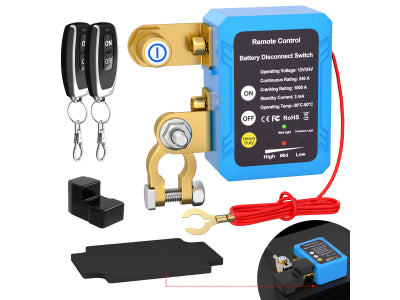
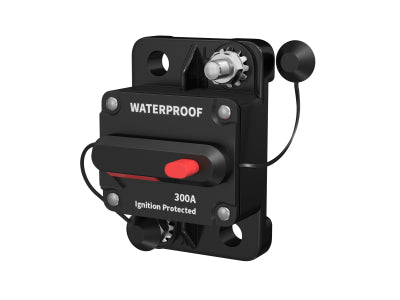
Skipping master circuit protection: Never connect a switch panel directly to a battery without a main inline fuse or a main Battery Switch to kill power when the vehicle is stored.
-
Ignoring dashboard mounting depth: Make sure to check the clearance behind your dashboard. Pre-wired panels require a few inches of depth behind the cutout for wire routing.
Final Thoughts: Choosing the Right Panel for Your Build
Picking the right rocker switch panel comes down to your current setup and future plans:
-
For a small boat or basic setup: 4 Gang Panel
-
For most Jeeps, trucks, boats, and RVs: 6 Gang or 8 Gang Panel
-
For full custom camper builds and large boats: 12 Gang Panel
Taking time to plan your switch count, wiring layout, and fuse protection will keep your 12V system running safely and smoothly for miles (or nautical miles) to come.


