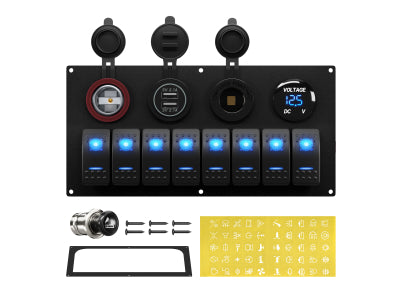
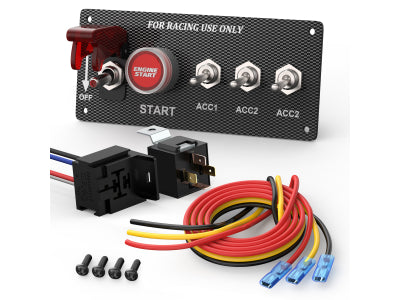
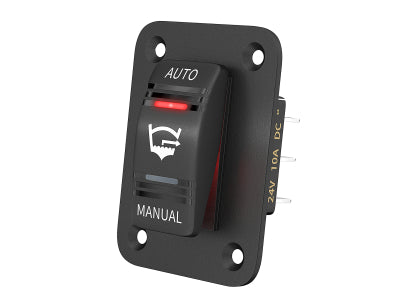
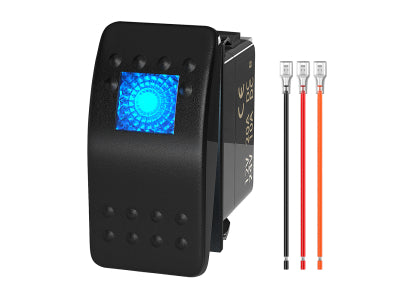
Integrated Solutions for Optimized Power Control and Protection
Explore Daier's comprehensive range of fuse and relay boxes, meticulously engineered as all-in-one solutions for simplifying complex electrical wiring, ensuring efficient power switching, and providing robust circuit protection across diverse applications. Whether you're optimizing power distribution in an automotive system, centralizing controls in a marine vessel, or managing auxiliary circuits in RVs and industrial setups, our integrated fuse relay modules deliver reliable and organized performance.
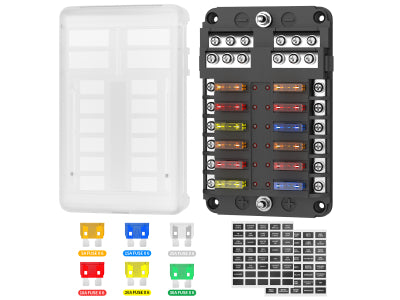
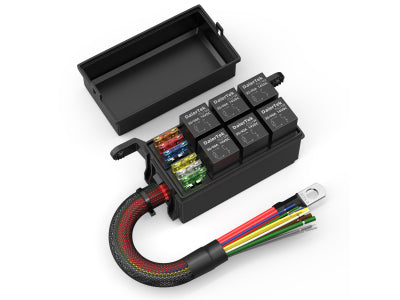
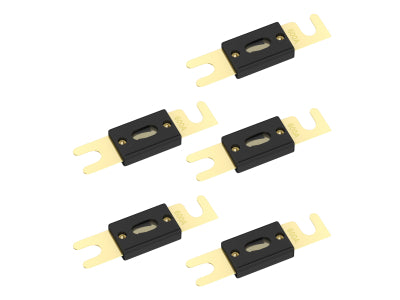
Our extensive selection primarily focuses on pre-wired fuse and relay boxes, designed for seamless installation in both 12V and 24V DC electrical systems. These power distribution modules typically feature multiple integrated relay sockets (e.g., for common 4-pin or 5-pin automotive relays) alongside dedicated fuse slots (e.g., for ATO/ATC blade fuses or other standard fuse types). We offer various configurations based on the number of circuits and components, such as 6-way fuse relay boxes, 10-way fuse boxes with relays, and larger multi-circuit relay and fuse enclosures.
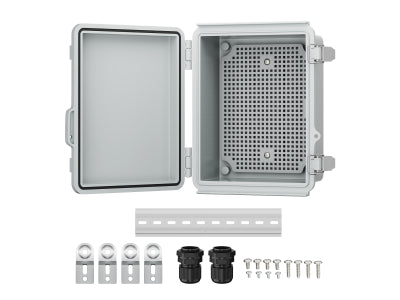
Each Daier fuse and relay box is crafted for exceptional reliability and durability. Many models are designed to be waterproof and weatherproof, offering robust protection against dust, splashes, and environmental exposure. This makes them ideal as marine fuse relay boxes or for use in outdoor and under-hood automotive applications where moisture and debris are concerns.
Constructed from high-grade, impact-resistant, and often flame-retardant materials like robust ABS plastic and high-conductivity copper components, Daier integrated relay boxes ensure long-term integrity and consistent electrical performance. Key design elements often include:
- Built-in wiring harnesses: Simplifying installation by providing pre-crimped wires for relays and fuses.
- Secure mounting options: For stable and reliable placement in any vehicle or system.
- Clear terminal identification: For straightforward wiring and troubleshooting.
- Compact and organized design: Reducing clutter and improving the safety and aesthetics of your electrical system.
Beyond their essential role in car fuse relay boxes and boat electrical control panels, Daier fuse relay modules are widely adopted in:
- Automotive & Off-Road: Managing auxiliary lighting (LED light bars, fog lights), electric cooling fans, horns, winches, fuel pumps, and other accessories in trucks, SUVs, ATVs, UTVs, and custom vehicles.
- Marine & Boating: Consolidating wiring for bilge pumps, navigation lights, electronic equipment, and anchor lights on yachts, fishing boats, and pontoon boats.
- Recreational Vehicles (RVs): Centralizing control for various onboard systems and appliances.
- Specialized Vehicles: For various electrical functions in commercial, agricultural, and emergency vehicles.
When selecting a fuse and relay box, consider the required number of relay and fuse positions, the voltage compatibility, the level of environmental protection needed (for waterproof applications), and whether a pre-wired solution is preferred. Daier is dedicated to providing reliable and high-quality fuse and relay boxes that combine robust construction with intuitive design, ensuring maximum safety, organization, and efficient power management for all your electrical projects. Explore our extensive range today to find the ideal integrated solution for your wiring needs.